Thanksgiving Pet Safety: Which Holiday Foods Are Safe for Dogs and Cats
Paris DeesingThanksgiving is a feast for the senses — and your dog and cat know it. The smell of roasting turkey, a crowded kitchen, and a steady stream of guests can turn even the best-behaved pet into a counter-surfing opportunist. Veterinary clinics see a familiar wave of upset stomachs, swallowed bones, and toxic-food scares every holiday season. The good news: a little planning keeps the day joyful for everyone, furry guests included. Here's what to share, what to keep off limits, and how to handle the chaos.

Thanksgiving Foods That Are Safe for Dogs and Cats
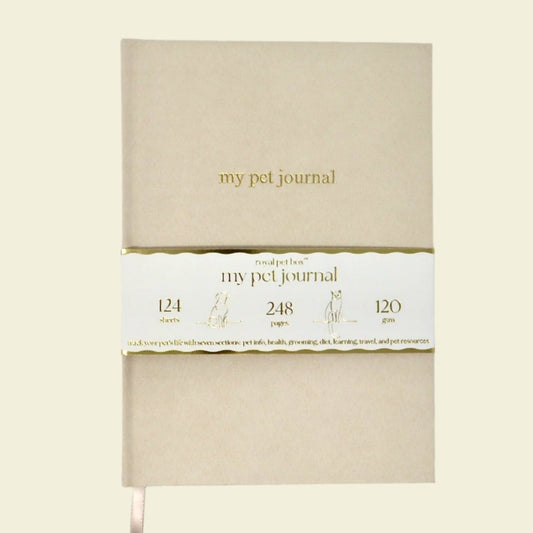
Before the big day, jot down which foods your pet tolerates well and your vet's phone number — our My Pet Journal is a handy place to keep diet notes, past tummy troubles, and emergency contacts together so nobody is scrambling mid-feast.
If you'd like your pet to share in the celebration, a few plain, simply prepared foods are generally safe in small amounts:
- Plain turkey breast: cooked, boneless, skinless, and unseasoned. Skip the skin, which is loaded with fat, butter, and spices.
- Plain pumpkin: 100% canned pumpkin purée — not pumpkin pie filling, which contains sugar and spices.
- Plain green beans or carrots: cooked or raw, with no butter, salt, or crispy fried onions.
- Plain sweet potato: baked or boiled with nothing added — no marshmallows, brown sugar, or butter.
Cats are obligate carnivores, so a few small shreds of plain turkey are the only "holiday plate" they really need.
A good rule of thumb is to keep treats and table extras under about 10% of your pet's daily calories — for a small dog or a cat, that may be just a few bites. Your vet can help you gauge the right amount for your pet's size and any sensitive-stomach history.
Toxic Holiday Foods to Keep Away From Pets
Some of the most beloved Thanksgiving ingredients are dangerous for dogs and cats. Keep these well out of reach:
- Onions, garlic, leeks, and chives: these damage red blood cells in both species, and cats are especially sensitive. They hide in stuffing, gravy, and green bean casserole.
- Grapes, raisins, and currants: linked to sudden kidney injury in dogs, even in small amounts. Watch the fruit platter and raisin-studded stuffing.
- Chocolate: dark and baking chocolate are the most dangerous, so guard the dessert table.
- Xylitol: a sugar substitute found in some sugar-free desserts, gum, and peanut butters that can cause a dangerous blood-sugar crash and liver damage in dogs.
- Raw yeast dough: it can expand in the stomach and ferment into alcohol.
- Alcohol, macadamia nuts, and heavily spiced desserts: including anything with large amounts of nutmeg.
Turkey Bones, Fatty Scraps, and Pancreatitis Risk
Cooked poultry bones splinter easily and can cause choking, mouth injuries, or intestinal blockages. Turkey skin, gravy, and pan drippings are rich in fat, which can trigger painful pancreatitis — especially in small breeds and dogs who aren't used to fatty food. Corn cobs, the string used to truss the bird, and foil soaked in meat juices are also common culprits behind emergency surgeries.
Secure the trash with a locking lid (or move it behind a closed door) the moment the carving is done.

Keeping Pets Calm When Holiday Guests Arrive
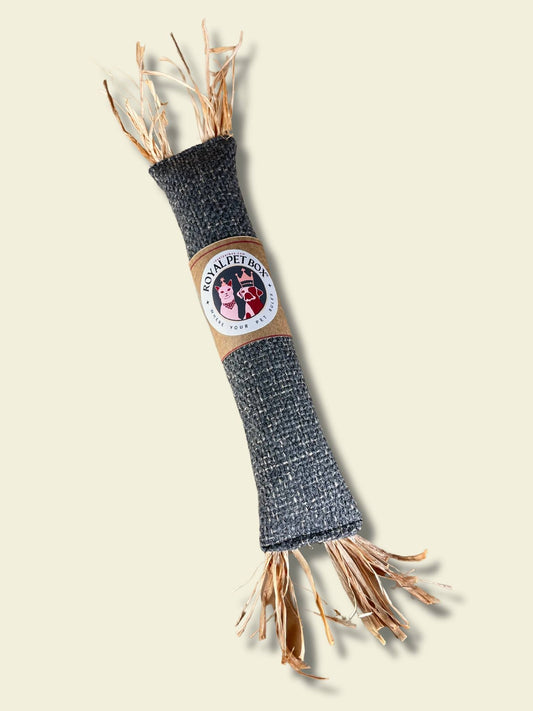
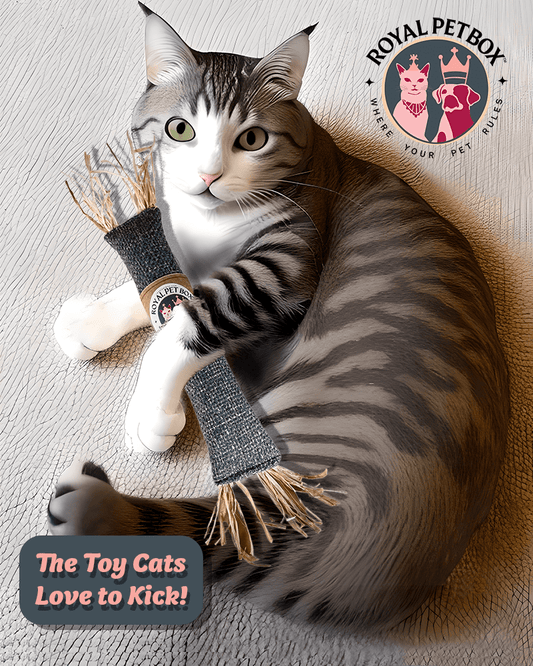
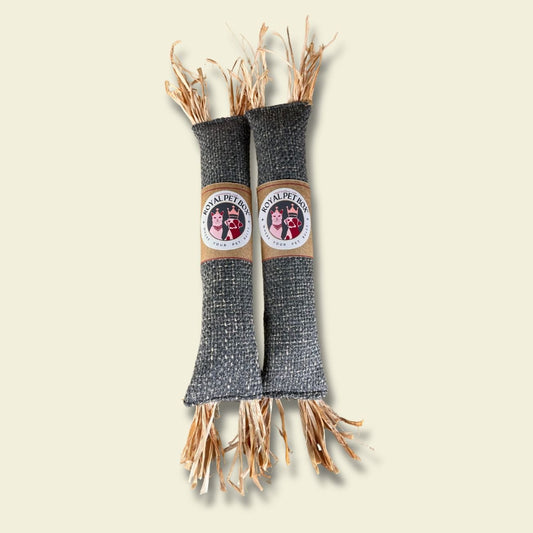
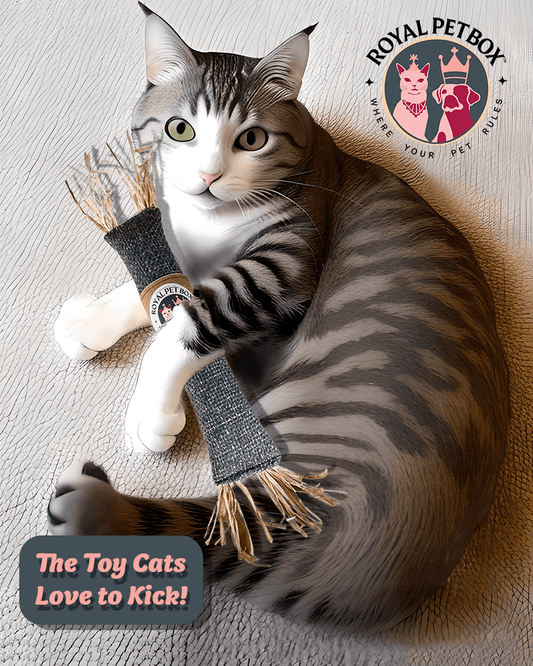
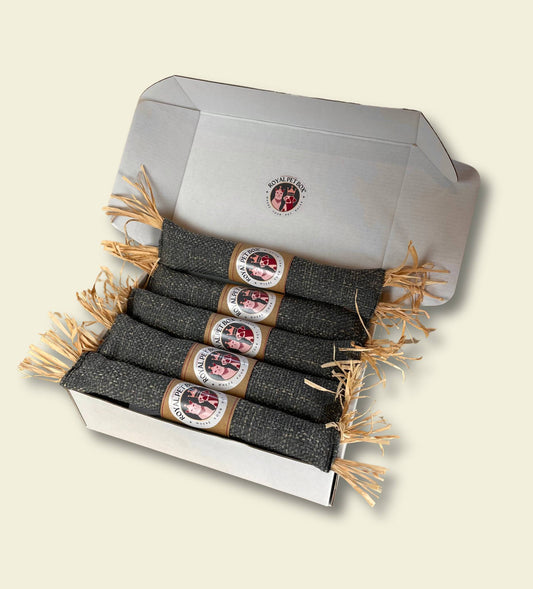
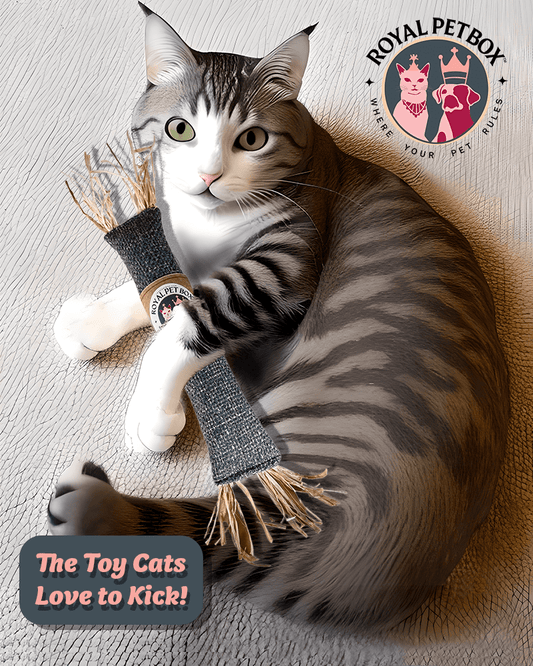
A quiet "safe room" with water, a bed, and something engaging can be a lifesaver for shy pets — our Luxury Cat Kicker Toy, with its silver vine and catnip blend, gives a cat something satisfying to wrestle while the doorbell keeps ringing.
A few more ways to keep the peace:
- Brief your guests: kindly ask everyone not to slip scraps under the table, and keep plates off low coffee tables.
- Watch the door: busy entryways are prime time for escapes. Make sure collars, ID tags, and microchip details are up to date.
- Stick to the routine: feed, walk, and play at the usual times.
- Check the centerpiece: lilies — common in fall bouquets — can cause kidney failure in cats from even a nibble of a leaf or a bit of pollen.

What to Do If Your Pet Eats Something Dangerous
Holiday travel and hosting are a great reason to check your supplies — our recommended First Aid Kit for Dogs and Cats keeps the basics in one spot, whether you're staying home or driving to the in-laws'.
If you suspect your pet swallowed something toxic, act quickly. Note what was eaten, roughly how much, and when, then call your veterinarian, the nearest emergency clinic, or a pet poison hotline such as the ASPCA Animal Poison Control Center or Pet Poison Helpline (a consultation fee may apply). Don't try to make your pet vomit unless a veterinary professional tells you to — some substances cause more harm coming back up.
Vomiting, diarrhea, a swollen or tender belly, restlessness, weakness, or a pet who simply won't settle after the feast can all signal trouble, so call your vet promptly rather than waiting to see if it passes.
A Happy, Safe Thanksgiving for the Whole Family
Thanksgiving pet safety comes down to three habits: share only plain, simple foods in small portions, keep toxic dishes and the trash firmly out of reach, and give your pet a calm space away from the bustle. With those in place, everyone — two-legged and four — can enjoy the holiday and maybe a well-earned nap afterward.
Check out our luxury pet products at reasonable prices. Visit our "Royal Pet Box Pet TV" Channel on both Roku and YouTube for fabulous pet-related education and entertainment.
Paris Deesing holds a degree in Biological Anthropology from UCLA and provides the editorial review behind each article, drawing on a long-held curiosity about the animals who share our lives.
This article was created using artificial intelligence with human editorial review and oversight.