Upper Respiratory Infections in Cats: Signs, Home Care, and When to See the Vet
Paris DeesingA sneeze here and there is nothing to worry about. But when your cat starts sneezing in fits, her eyes look weepy, and she sniffs at her dinner and walks away, you may be looking at a feline upper respiratory infection — the cat version of a bad head cold. These infections are very common, especially in kittens, shelter cats, and multi-cat homes. Most cats recover well with good care, but a few warning signs mean it is time to call the vet.
What Causes Upper Respiratory Infections in Cats?
An upper respiratory infection (URI) affects the nose, sinuses, throat, and eyes. The large majority of cases are caused by two viruses: feline herpesvirus-1 (the cause of feline viral rhinotracheitis) and feline calicivirus. Bacteria such as Bordetella bronchiseptica, Chlamydia felis, and Mycoplasma can also play a role, either on their own or as a secondary infection on top of a virus.
These germs spread through direct contact with an infected cat, sneeze droplets, and shared items like food bowls, litter boxes, bedding, and even human hands and clothing.

Common Signs of a Cat Cold
Because URI symptoms can change day by day, a simple written log makes your next vet conversation much clearer — our My Pet Journal has a dedicated health section where you can jot down when the sneezing started, how much your cat is eating, and whether her eyes are getting better or worse.
Watch for:
- Sneezing and nasal congestion, sometimes with clear, cloudy, or colored discharge
- Watery or goopy eyes, squinting, or red, swollen tissue around the eyes (conjunctivitis)
- Reduced appetite — cats rely heavily on smell to want their food, so a stuffy nose can make meals unappealing
- Lethargy and hiding more than usual
- Fever
- Drooling or mouth ulcers, which are especially associated with calicivirus
Signs usually appear a few days after exposure, and an uncomplicated cat cold often runs its course in one to three weeks.
Sneezing and runny eyes can also come from dental disease, nasal polyps, or something lodged in the nose, so if the signs are in only one nostril or one eye, mention that to your vet — it helps them narrow down the cause.
How to Care for a Cat With an Upper Respiratory Infection at Home
For a mild case in an otherwise healthy adult cat, comfort care makes a big difference:
- Add steam. Bring your cat into the bathroom while you run a hot shower for 10–15 minutes (keep her out of the water), or use a humidifier near her resting spot to loosen congestion.
- Keep the face clean. Gently wipe eye and nose discharge with a soft cloth or cotton pad dampened with warm water, using a fresh one for each eye.
- Make food smell irresistible. Slightly warming a strong-smelling wet food can tempt a stuffy cat to eat.
- Encourage drinking. Fresh water, a fountain, or a little extra water mixed into wet food all help keep her hydrated and her mucus thinner.
- Offer a quiet, warm retreat. Rest and low stress support recovery.
- Separate her from other cats if you can, and wash your hands after handling her, her bowls, or her bedding.
Please never reach for human cold medicine — common ingredients like acetaminophen and many decongestants can be dangerous or even fatal for cats, and supplements such as L-lysine have mixed research behind them, so ask your vet before giving your cat anything at all.

Preventing Cat Colds and Flare-Ups
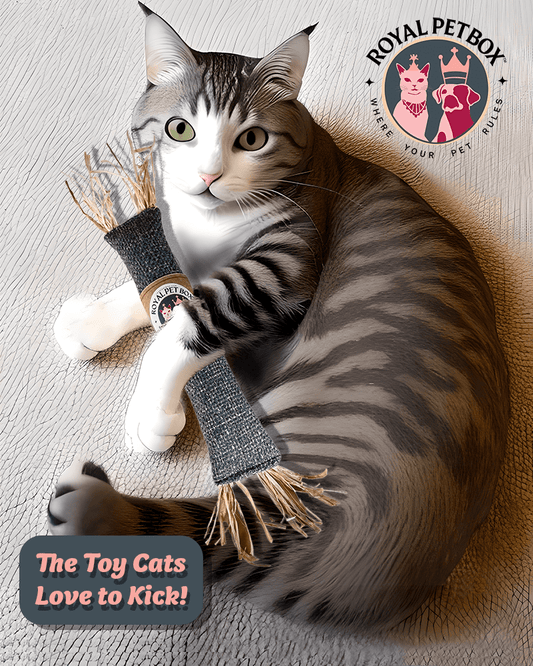
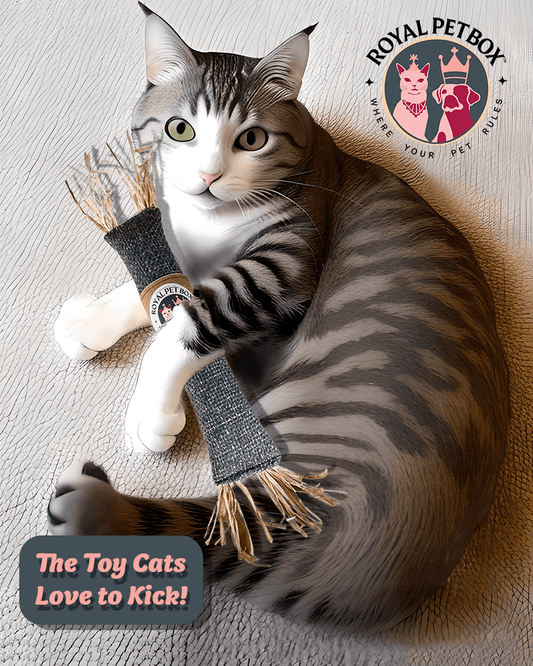
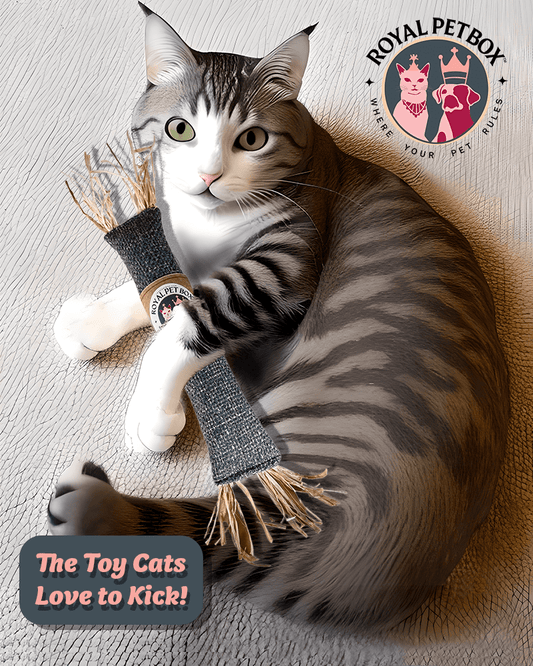
Feline herpesvirus never fully leaves the body, and stress is a well-known trigger for flare-ups, so a calm, predictable routine is real prevention — once your cat is feeling better, short, gentle play sessions with something she loves, like our Luxury Cat Kicker Toy, are an easy way to help her burn off tension.
Other prevention basics:
- Keep core vaccines current. The FVRCP vaccine covers herpesvirus and calicivirus. It may not prevent every infection, but it greatly reduces how severe illness becomes.
- Quarantine newcomers. Keep a new cat or kitten in a separate room for a couple of weeks before full introductions.
- Clean shared items like bowls, litter boxes, and bedding regularly.
When to Take Your Sneezing Cat to the Vet
Call your veterinarian promptly if you notice any of the following:
- Your cat has not eaten for a day or more — cats who stop eating are at risk of serious liver problems
- Open-mouth breathing, labored breathing, or noisy breathing
- Thick yellow or green discharge from the nose or eyes
- Squinting, cloudiness, or a held-shut eye, which can signal a corneal ulcer
- Marked lethargy, dehydration, or a fever
- Symptoms that worsen or are not improving after a few days
- The patient is a young kitten, a senior cat, or a cat with other health conditions
Kittens and senior cats can go downhill quickly with a URI, so for those little and older patients it is better to call your vet early than to wait and watch.
The Takeaway
Upper respiratory infections in cats are common and, in most healthy adults, very manageable. Keep your cat warm, hydrated, eating, and calm, keep her face clean, and know the red flags that mean a vet visit. With a little extra TLC, most sneezy cats are back to their curious, playful selves before long.
Check out our luxury pet products at reasonable prices. Visit our "Royal Pet Box Pet TV" Channel on both Roku and YouTube for fabulous pet-related education and entertainment.
Paris Deesing holds a degree in Biological Anthropology from UCLA and provides the editorial review behind each article, drawing on a long-held curiosity about the animals who share our lives.
This article was created using artificial intelligence with human editorial review and oversight.