What Your Dog's Sleep Position Says About Them: A Guide to Canine Snooze Styles
Paris DeesingWatch a dog drift off and you'll notice they rarely settle the same way twice. One night they're curled into a tight ball at the foot of the bed; the next they're flat on their back with all four paws in the air. These aren't random. A dog's sleep position is shaped by instinct, comfort, temperature, and how safe they feel — and once you know what to look for, your dog's favorite snooze style becomes a quiet little window into how they're doing.

The Curl: Why Dogs Sleep in a Tight Ball
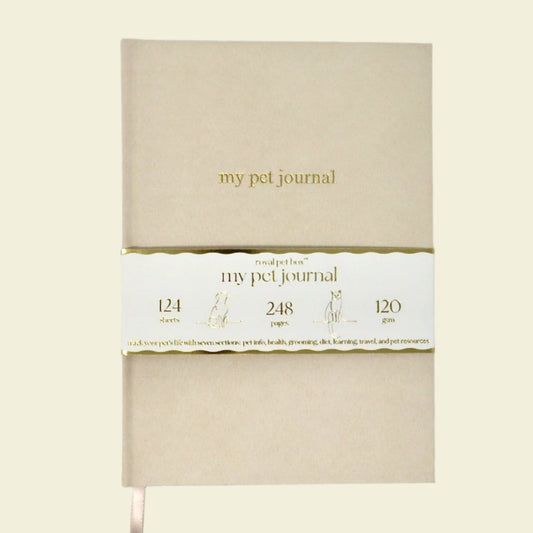
The curl — nose tucked to tail, legs pulled in — is the oldest position in the book. In the wild, sleeping in a ball protects vital organs and conserves body heat, which is why you'll see it more often in colder months or from dogs who naturally run cold. It's a cozy, self-soothing posture, and it's completely normal. Because sleep habits shift with age, weather, and health, keeping a log of your dog's routines and any changes is a genuinely useful habit — our My Pet Journal gives you a dedicated place to note sleep patterns, vet visits, and behavior all in one spot.
One myth worth retiring: curling up doesn't automatically mean your dog is anxious or cold. Plenty of confident, comfortable dogs simply like the compact shape. Context matters more than the position alone.
Sprawled Out: The Side Sleeper and the "Superman"
When a dog stretches out on their side with legs extended, or flops belly-down with back legs kicked straight behind them in the classic "Superman" sprawl, they're telling you they feel relaxed and secure. These open postures leave the body exposed, so dogs tend to save them for places where they feel safe.
Side sleeping is also where you're most likely to see the twitching, paddling paws, and soft woofs of deep, dreaming REM sleep. Puppies and older dogs often log the most sprawl time, since both ends of the age spectrum need extra rest.
Belly Up: What a Dog Sleeping on Its Back Means
Paws in the air, belly fully exposed — this is the ultimate trust position. A dog's belly is their most vulnerable area, so sleeping back-up signals they feel completely safe in their environment. It's also a practical cooling strategy: the belly has thinner fur, and stretching out helps a warm dog shed heat on a hot day.
If your dog suddenly favors belly-up sleeping in summer, they may simply be trying to cool off. Make sure they have a shaded, well-ventilated spot to rest.

The Donut and the Snuggler: Sleep and Bonding
The donut — curled tight but pressed against you, another pet, or a wall — blends comfort with connection. Dogs are pack animals, and sleeping in contact with their favorite people or companions is a deeply rooted bonding behavior. If your dog insists on burrowing into your side or claiming a corner of the bed, take it as a compliment.
For smaller dogs and seniors who love a soft mattress but struggle to climb up, easy access matters. A gentle set like our recommended Dog Steps lets them reach their favorite sleeping spot without a big jump that strains aging joints.
When a Sleep Position Signals Something More
Most position changes are harmless, but a few are worth a second look. A dog who abruptly stops sleeping belly-up, refuses to curl, or seems to guard a certain posture may be telling you something aches. Restlessness, panting at rest, or a dog who can't get comfortable and shifts constantly can point to pain, breathing trouble, or joint stiffness.
If your dog's sleep posture changes suddenly or they seem unable to settle, it's worth a chat with your vet — a shift like this can be an early, easy-to-miss sign of arthritis, discomfort, or an underlying issue that's simpler to manage when caught early.
The Takeaway
Your dog's sleep positions are a mix of instinct, comfort, and trust — and most of the time, they're just a sign of a relaxed, happy pup finding their perfect spot. Learn your dog's normal patterns, notice when something shifts, and you'll have one more easy way to stay tuned in to how they're really feeling.
Check out our luxury pet products at reasonable prices. Visit our "Royal Pet Box Pet TV" Channel on both Roku and YouTube for fabulous pet-related education and entertainment.
Paris Deesing holds a degree in Biological Anthropology from UCLA and provides the editorial review behind each article, drawing on a long-held curiosity about the animals who share our lives.
This article was created using artificial intelligence with human editorial review and oversight.