Why Do Cats Chatter at Birds? Decoding That Strange Chirping Sound
Paris DeesingIf you've ever watched your cat crouch at the window, lock onto a bird, and start making a rapid, stuttering "ek-ek-ek" sound with their jaw, you've witnessed one of the most fascinating quirks of feline behavior. Cat chattering — sometimes called chittering or twittering — is that strange chirping noise cats make when they spot prey they can't quite reach. It looks a little comical and sounds even stranger, but there's real instinct behind it. Here's what your cat is actually telling you.

What Is Cat Chattering, Exactly?
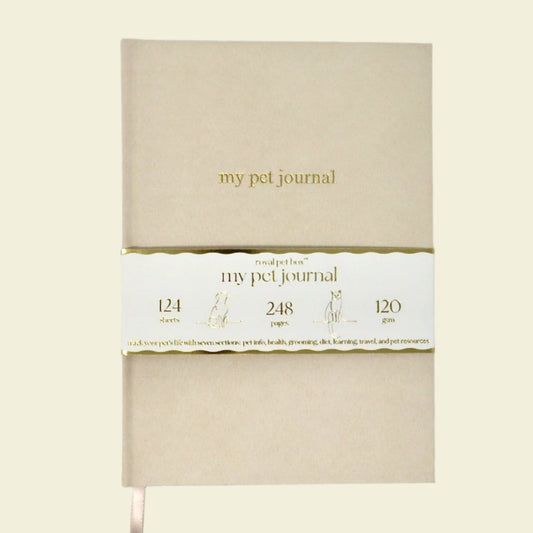
Chattering is a distinctive vocalization paired with a fast, vibrating movement of the lower jaw. Your cat's mouth opens slightly and the teeth clack together in quick bursts while they emit a chirp-like or machine-gun stuttering sound. It almost always happens while your cat is intensely focused on something they want but can't get to — a sparrow on the feeder, a squirrel on the fence, a fly on the ceiling. If you like keeping tabs on your cat's little habits and quirks, our My Pet Journal gives you a dedicated place to note when and where these behaviors pop up, which can be surprisingly handy if you ever want to spot patterns or share notes with your vet.
Why Do Cats Chatter at Birds and Squirrels?
Animal behaviorists have a few leading theories, and the truth is probably a blend of all of them. The most widely accepted explanation is predatory excitement. When your cat spots prey, their entire hunting sequence switches on — the stare, the crouch, the twitching tail — but the glass barrier stops them from completing it. That build-up of arousal and frustration escapes as a chatter.
A second theory points to the killing-bite instinct. Cats dispatch prey with a precise bite to the back of the neck, delivered with a rapid clamping of the jaw. Some researchers believe the chattering motion is a kind of involuntary rehearsal of that fatal bite — the body running the program even when the prey is out of reach.
A third, more colorful idea is vocal mimicry. Wild cats have been observed imitating the calls of their prey to lure them closer, and some scientists wonder whether domestic cats retain a faint echo of that ability. Whichever theory you favor, the chatter is a window straight into your cat's wild, hardwired hunter.
Is Cat Chattering Normal Behavior?
Yes — chattering is completely normal and, in most cases, a sign of a healthy, engaged cat with strong natural instincts. It's not a symptom of pain or illness, and there's nothing you need to "fix." Some cats chatter constantly, others almost never, and both are perfectly fine. The behavior tends to show up most in cats that get a clear view of outdoor wildlife, which is why bird feeders and window perches are such reliable triggers.
The only thing worth watching for is redirected frustration. Occasionally a cat that gets very worked up watching unreachable prey will turn and swat at a nearby pet or person. If you notice this, it's a cue that your cat has more hunting energy than they have outlets for — which brings us to the good news.

How to Channel Your Cat's Hunting Instinct
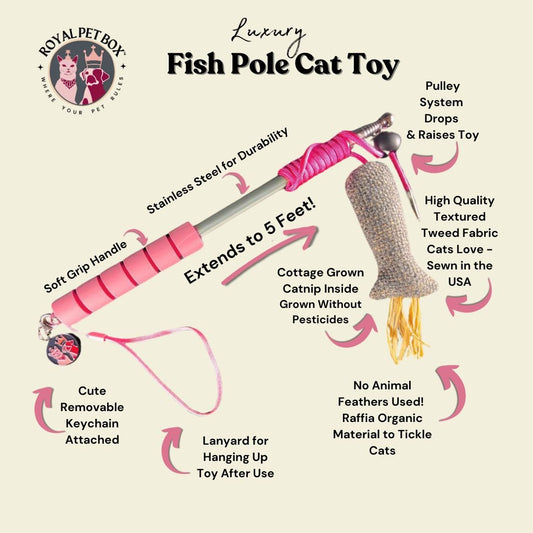
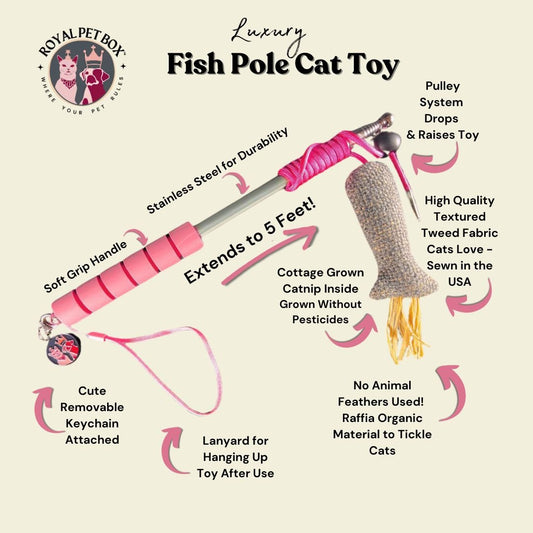
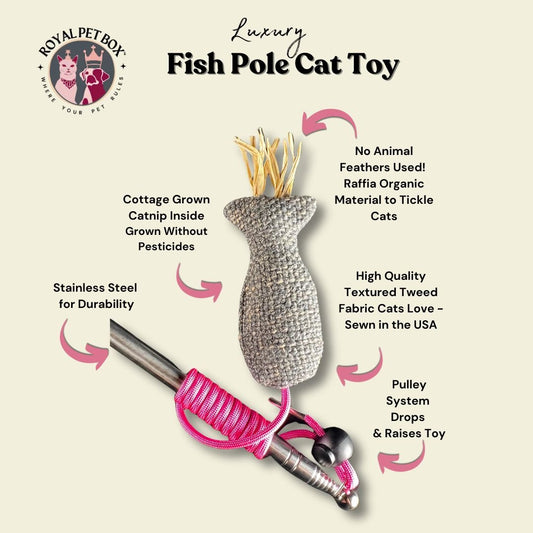
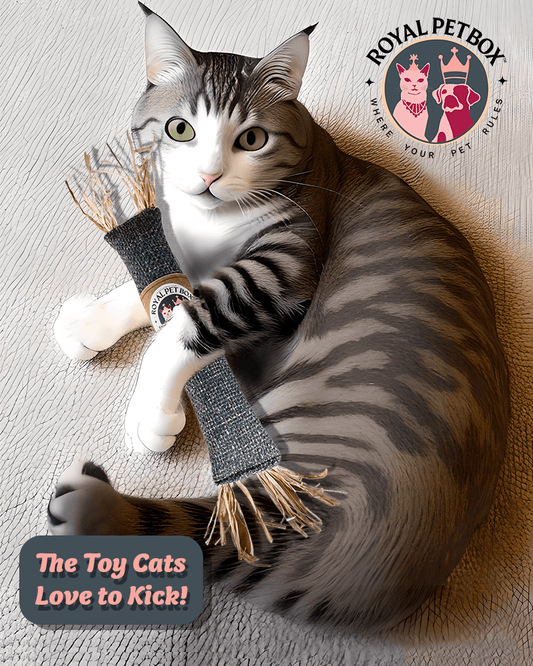
Chattering tells you your cat wants to hunt, so the kindest thing you can do is give them a hunt they can actually win. Interactive wand play is the gold standard: dragging a lure across the floor lets your cat stalk, chase, pounce, and finally "catch" something real. Our Fish Pole Cat Toy extends to keep the action lively and mimics the darting, unpredictable movement of prey, so your cat gets the full satisfaction of a completed hunt instead of the frustration of a bird behind glass.
Aim for a couple of short sessions a day, and always let the game end with a successful catch — stopping mid-chase can leave a cat more wound up than when they started. A few minutes of focused play does more for a frustrated indoor hunter than an afternoon of window-watching ever could.

Turning Window-Watching Into Healthy Enrichment
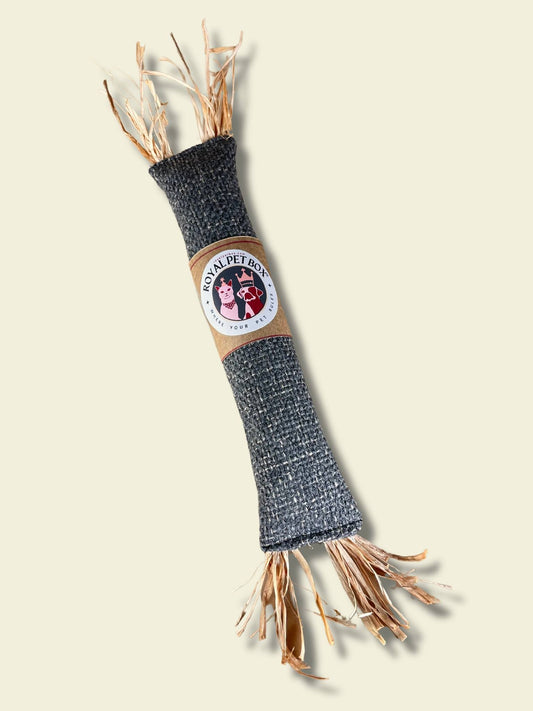
You don't have to take the birds away — window-watching is genuinely enriching, and most cats adore it. The goal is simply to balance the tantalizing "look but don't touch" of the window with outlets that pay off. A comfortable perch, a rotation of toys, and a sprinkle of enrichment go a long way. Our Organic Catnip can turn an ordinary toy into an irresistible one, giving your cat a fresh burst of interest and a positive way to blow off that pent-up predatory steam.
Puzzle feeders, treat-dispensing toys, and short training games all tap into the same seek-and-capture drive that birds set off. The more ways your cat has to "hunt" indoors, the more the window becomes a fun bit of daily entertainment rather than a source of frustration.
The Bottom Line on Cat Chattering
That funny chirping sound is one of the clearest glimpses you'll ever get of the tiny predator living in your home. It's normal, it's healthy, and it means your cat's instincts are firing exactly as nature intended. Rather than worrying about it, treat every chatter as a friendly reminder to break out a wand toy and give your cat the win their wild heart is asking for.
Check out our luxury pet products at reasonable prices. Visit our "Royal Pet Box Pet TV" Channel on both Roku and YouTube for fabulous pet-related education and entertainment.
Paris Deesing holds a degree in Biological Anthropology from UCLA and provides the editorial review behind each article, drawing on a long-held curiosity about the animals who share our lives.
This article was created using artificial intelligence with human editorial review and oversight.