Why Does My Chinchilla Take Dust Baths? The Fascinating Science Behind This Daily Ritual
Paris DeesingIf you've ever watched your chinchilla flop, roll, and somersault through a bowl of fine powder with absolute glee, you've witnessed one of the most uniquely chinchilla behaviors there is — and one of the most important parts of their care. Dust bathing isn't a quirky habit. It's a biological necessity rooted in millions of years of evolution in the rocky highlands of the Andes. Here's why your chinchilla needs to roll around in dust, and how to make sure they're doing it right.
The Science Behind Chinchilla Fur
Chinchillas have the densest fur of any land mammal — somewhere between 50 and 80 hairs growing from a single follicle, compared to one hair per follicle in humans. This density evolved as protection against freezing temperatures in their native Andes habitat, where wild chinchillas live at elevations of 10,000 to 16,000 feet. But the same density makes their coat impossible to clean with water. Wet chinchilla fur retains moisture against the skin for days, creating a perfect environment for fungal growth and skin infections. In the wild, chinchillas solve this by rolling in fine volcanic ash, which absorbs oils, removes loose hair, and lifts away dirt — leaving the coat soft and well-conditioned. Domestic chinchillas have exactly the same need.
How Often Should Chinchillas Dust Bathe?
Most pet chinchillas do best with a dust bath two to four times per week, offered for ten to fifteen minutes at a time. Leaving the dust bath in the cage permanently is a common mistake — it can lead to dry skin, eye irritation, and over-bathing, which strips beneficial oils from the coat. Watch for signs your chinchilla needs a bath: greasy-looking patches in the fur, a slightly oily smell, or a chinchilla who seems unusually itchy. In hot, humid weather you may want to offer baths more frequently; in cool dry seasons, fewer.
Every chinchilla is a little different — if you notice persistent itching, fur loss, or skin irritation that doesn't resolve with regular dust baths, please loop in an exotic pet veterinarian to rule out fungal or parasitic issues that won't clear up with bathing alone.
What Kind of Dust Should You Use?
Not all "chinchilla dust" sold in pet stores is created equal. The gold standard is fine volcanic pumice or natural sepiolite-based dust marketed specifically for chinchillas — these mimic the ash they'd encounter in the wild and have the right particle size to penetrate the dense coat without clumping. Avoid anything labeled "sand" (too coarse — can scratch the skin and eyes), anything scented (chinchillas have sensitive respiratory systems), and homemade substitutes like cornstarch or baby powder, which clump in the fur. Reputable brands include Blue Cloud, Oxbow Poof!, and Lixit Chinchilla Dust.
Setting Up the Perfect Dust Bath
Use a heavy ceramic, glass, or metal container at least one and a half times the length of your chinchilla so they have room to roll and flip. A clear glass cookie jar or a deep ceramic bowl works beautifully and lets you watch the show. Fill it with about two inches of dust — enough for a proper roll, but not so deep that they inhale a cloud. Leave the bath in their cage or a chinchilla-safe play area for ten to fifteen minutes, then remove it. You can sift used dust through a fine strainer to remove waste and clumps, then reuse it for a few sessions before replacing. Most chinchillas prefer evening baths, which line up nicely with their natural crepuscular activity cycle.

Signs Your Chinchilla Loves Their Bath
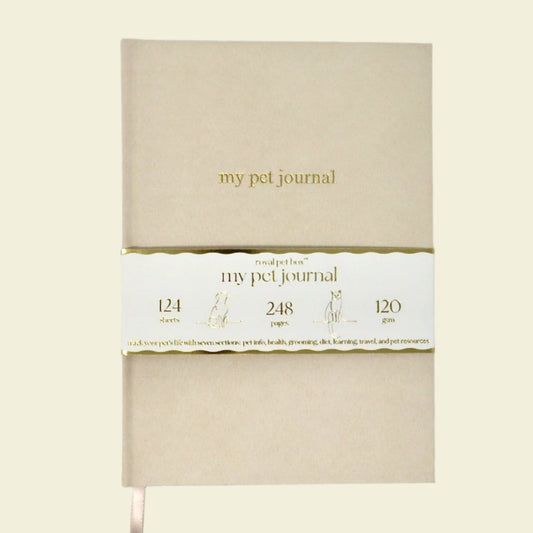
A happy bathing chinchilla is a sight to behold. Look for full-body rolls and twists, vigorous flipping from side to side, kicking back legs in the air, and a quick shake-off when they emerge — sometimes followed by a victory popcorn (a joyful little hop). Tracking how often you offer baths and how your chinchilla responds helps you spot patterns in their grooming needs over time. Keeping a log of these little routines, alongside meals and vet visits, is one of the best habits you can build as a chinchilla parent — our My Pet Journal gives you a dedicated space to record bath schedules, behavior changes, and care notes all in one place.
The dust bath isn't just adorable — it's medicine, hygiene, and joy rolled into one little ceramic bowl. Honoring this ancient ritual with the right dust, the right schedule, and a safe setup is one of the simplest and most rewarding ways to care for a chinchilla. Watch them flip, take a moment to appreciate that you're witnessing millions of years of Andes-mountain evolution playing out in your living room, and know that this strange, dusty habit is exactly how their species has stayed clean and healthy for ages.
Check out our luxury pet products at reasonable prices. Visit our "Royal Pet Box Pet TV" Channel on both Roku and YouTube for fabulous pet-related education and entertainment.
Paris Deesing holds a degree in Biological Anthropology from UCLA and provides the editorial review behind each article, drawing on a long-held curiosity about the animals who share our lives.
This article was created using artificial intelligence with human editorial review and oversight.