Why Does My Dog Lean Against Me? The Sweet Truth Behind This Affectionate Habit
Paris DeesingIf your dog presses their full body against your leg the moment you sit down, you're not imagining it — and you're not alone. The "lean" is one of the most quietly affectionate behaviors dogs have, and it shows up everywhere from senior Labradors at the vet's office to working breeds at the end of a long day. Once you know what's behind it, it's hard not to feel a little flattered.
Dogs lean for a handful of overlapping reasons, and most of them come down to one word: connection. Here's what your dog is really telling you when they put their weight on you.
The Pack Roots of Leaning — Why Touch Means "Safe"
Dogs are social animals descended from highly cooperative ancestors, and physical contact is one of the most ancient ways canids signal trust within a group. In a wolf pack or a feral dog colony, members rest in piles, lean against each other while observing the surroundings, and sleep curled together for warmth and protection. Touch isn't just nice — it's a low-effort, high-bandwidth way to communicate "we're together, we're okay."
When your dog leans against you, they're tapping into that same hardwired social shortcut. Your body is, in their mental map, part of the pack. The lean says, simply, "I belong here."

Comfort, Reassurance, and the Bid for Calm
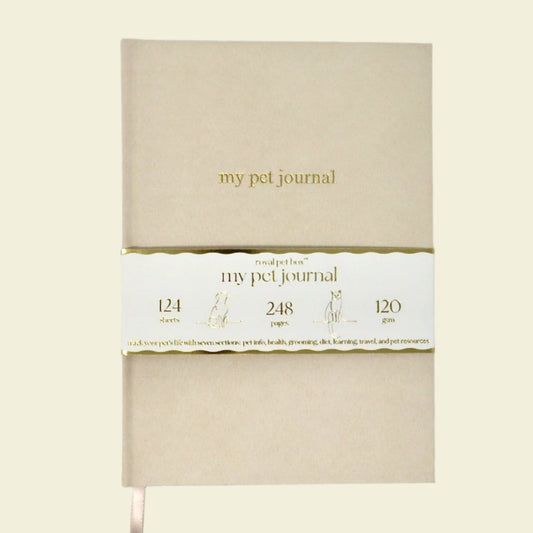
The second big reason dogs lean is emotional regulation. Sustained, gentle contact from a familiar person measurably lowers stress hormones in dogs — it's the canine version of holding someone's hand. When the doorbell rings, a stranger walks too close at the park, or thunder rolls in, leaning is often the first behavior a dog reaches for. Keeping a simple log of when your dog tends to lean — at the vet, around guests, during storms — can reveal patterns you might otherwise miss; our My Pet Journal gives you a dedicated space to record those everyday observations alongside meals, vet visits, and training notes.
Many anxious dogs lean harder and longer than confident dogs do, because the lean is doing real emotional work. That doesn't mean a leaning dog is necessarily stressed — context matters — but if the leaning ramps up only around specific triggers, it's worth taking note.

The "Velcro Dog" — Some Breeds Lean More Than Others
You've probably heard the phrase "velcro dog." It usually shows up in breed descriptions of Great Danes, Boxers, Bernese Mountain Dogs, Cane Corsos, German Shepherds, Vizslas, and many of the herding and companion breeds. These are dogs that were selected, over generations, to stay physically close to a human partner during work — herding livestock, guarding flocks, hunting alongside their owners. Closeness was the job. Modern velcro dogs still carry that genetic preference for being in contact with their person, and grooming sessions become a natural extension of that bond — our Luxury Dog and Cat Brush turns those daily moments into a calm, focused ritual that strengthens the same trust your dog is expressing when they lean on you.
If your dog is one of the leaners by breed, the lean is less "I need something" and more "this is just how I exist near you."
When Leaning Might Mean Something Else — Signals to Watch
Most leaning is affection and reassurance, but a dog who suddenly leans far more than usual is worth a closer look. Persistent leaning can sometimes accompany pain (a dog favoring a sore hip will shift weight onto you), declining vision (leaning to confirm where their person is), inner-ear issues that affect balance, or significant anxiety from a change in routine. The clue is the change — a longtime leaner who keeps leaning is normal; a stoic dog who newly becomes a leaner is sending a different signal.
Every dog is an individual — if you notice a sudden uptick in leaning paired with limping, head tilting, disorientation, or changes in appetite or energy, please loop in your veterinarian so they can rule out anything that needs hands-on care.

How to Respond When Your Dog Leans on You
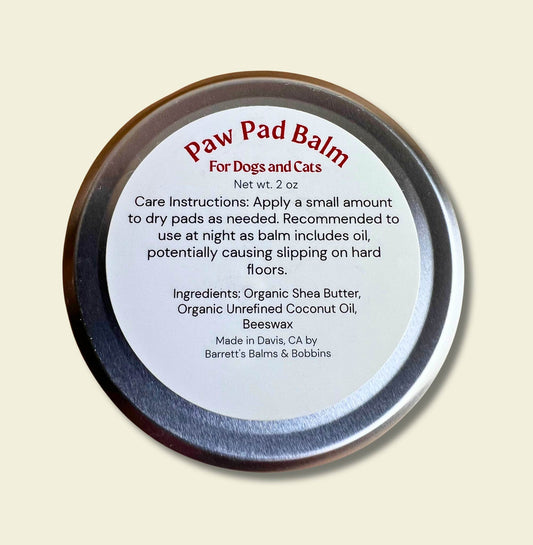
The short answer is: enjoy it. Acknowledge the lean with a calm hand, a slow stroke down the shoulder, or a quiet word — you don't need to flood the moment with excited praise. Dogs read your energy back to them, so a steady, soft response reinforces that the contact is welcome and that you're a safe place to land. Pair leaning time with the small everyday care moments — checking paws after a walk and rubbing in a little of our All Natural Paw Pad Balm, brushing out the coat, settling in for a quiet evening — and you turn the lean into a daily ritual that compounds the bond over the years you share.
If the leaning is genuinely inconvenient — say, a 90-pound dog leaning on a small child or an elderly relative — redirect rather than scold. Teach a "place" or "settle" cue, reward the dog for resting next to you instead of on you, and give them a designated spot near your feet. The goal isn't to shut down the affection; it's to channel it.
However your dog tells you they love you — a lean, a head on your knee, a soft sigh as they settle nearby — those quiet daily gestures are the heart of the bond. Slow down, lean back, and savor them.
Check out our luxury pet products at reasonable prices. Visit our "Royal Pet Box Pet TV" Channel on both Roku and YouTube for fabulous pet-related education and entertainment.
Paris Deesing holds a degree in Biological Anthropology from UCLA and provides the editorial review behind each article, drawing on a long-held curiosity about the animals who share our lives.
This article was created using artificial intelligence with human editorial review and oversight.