Why Does My Dog Roll in Smelly Things? Causes Explained
Paris DeesingYou've just bathed your dog. Their fur is fluffy, they smell faintly of oatmeal shampoo, and you open the back door for a quick romp in the yard. Five minutes later they trot back grinning — and absolutely reeking. They've found something dead, decomposing, or otherwise vile, and they have rubbed every inch of their shoulders and neck through it with what looks like pure joy. If you've lived with a dog long enough, you've seen this scene. The question is: why?

An Inherited Wolf Behavior, Most Likely
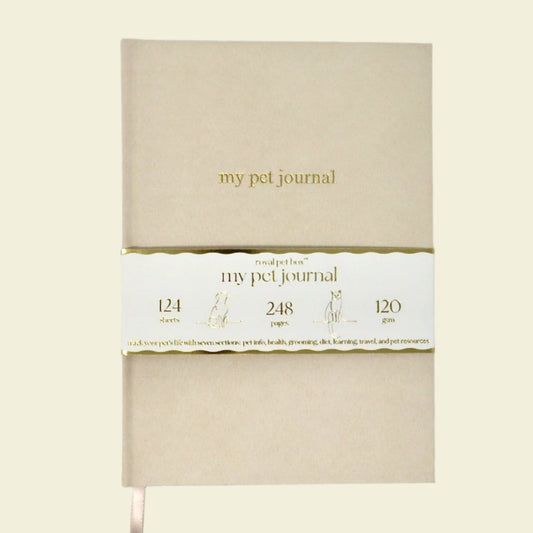
The leading theory among canine behaviorists is that rolling in strong-smelling substances is an inherited behavior passed down from wolves. Researchers studying wild wolf packs have observed wolves doing the exact same thing — finding a stinky carcass or scat pile and rolling enthusiastically in it. The most popular explanation is scent communication: by carrying the smell of something interesting (a dead deer, another predator, an unusual food source) back to the rest of the pack, the wolf shares information without ever needing to "describe" what they found. Tracking your dog's outdoor habits over time can reveal patterns about when and where this behavior peaks — our My Pet Journal gives you a dedicated place to log walks, behaviors, and grooming routines all in one spot, which is genuinely useful when you're trying to decode a puzzling habit.
Other Possible Reasons Your Dog Rolls in Stinky Stuff
Beyond the wolf-pack theory, there are several other plausible explanations. Some dogs may roll in strong smells to mask their own scent — a hunting strategy that helps a predator sneak up on prey, since their natural body odor would warn potential targets. Other dogs may simply find the experience pleasurable, the same way humans enjoy a favorite perfume or fresh-cut grass. There's also a theory that dogs roll in something stinky as a kind of protest against being recently bathed, restoring what they consider their proper "dog smell" after we've washed it off. Most likely the behavior is driven by a combination of these motivations rather than any single one.

What's Safe to Roll In — and What Isn't
A roll in muddy grass or fox poop is mostly a smelly nuisance, but certain substances are genuinely dangerous. Decomposing wildlife can carry parasites and bacteria, including roundworms and salmonella. Anything chemical — fertilizer, motor oil, antifreeze, pesticides — can sicken your dog when it's absorbed through the skin or licked off the fur during self-grooming. Animal carcasses can also harbor toxoplasmosis or, in rare cases, secondary poisoning from rodenticides. After a particularly enthusiastic roll, a thorough bath followed by gentle brushing — our Luxury Dog and Cat Brush works well for lifting residue still trapped in the undercoat and redistributing healthy skin oils — helps remove not just the smell but anything potentially harmful left behind.
Every dog's skin reacts a little differently to strong substances — if you notice redness, itching, hair loss, or unusual irritation after your dog has rolled in something, please loop in your vet to rule out a chemical reaction or infection that needs hands-on care.
How to Discourage the Behavior (Realistically)
You probably can't stop this behavior entirely — it's deeply hardwired — but you can reduce how often it happens. Keep your dog leashed in areas where you've previously found dead animals, scat, or unknown substances. Train a strong "leave it" cue in low-distraction environments before testing it in the wild, and keep training sessions short and positive — usually five to ten minutes at a time, two or three times a day, works better than one long marathon session. Scan your yard before letting your dog out unsupervised, especially in spring and fall when wildlife activity peaks. A reliable recall cue paired with a high-value reward can also pull your dog away from a tempting smell before the rolling begins.
These training-session lengths are starting points based on a typical healthy adult dog — your vet or a certified positive-reinforcement trainer can dial in session length and frequency for your dog's age, energy level, and temperament, especially if you have a senior dog or one with a history of joint pain.
When to Worry About Compulsive Rolling
Occasional rolling in something gross is normal dog behavior. However, very frequent, frantic, or compulsive rolling — especially indoors, on every available surface, or paired with skin redness, scratching, or restlessness — can sometimes signal allergies, parasites, anal gland discomfort, or skin irritation rather than scent communication. If your dog is suddenly rolling everywhere or seems uncomfortable rather than gleeful while doing it, a vet visit is worth scheduling. You may have noticed deodorizing sprays, anti-roll bitter products, or behavioral supplements marketed to curb rolling, but these vary widely in safety and aren't always backed by evidence.
Talk to your vet before adding any deodorizing sprays, behavioral supplements, or new topical skin-care products to your dog's routine — even gentle-sounding additions can interact with existing conditions, irritate sensitive skin, or interfere with medications your dog is already on.
Check out our luxury pet products at reasonable prices. Visit our "Royal Pet Box Pet TV" Channel on both Roku and YouTube for fabulous pet-related education and entertainment.
Paris Deesing holds a degree in Biological Anthropology from UCLA and provides the editorial review behind each article, drawing on a long-held curiosity about the animals who share our lives.
This article was created using artificial intelligence with human editorial review and oversight.