Why Does My Dog Sigh? Decoding This Sweet Canine Sound
Paris DeesingFew sounds in a pet household are as charming as a dog flopping down beside you and letting out a long, dramatic sigh. It's the kind of moment that makes you smile and wonder what your dog is actually saying. While humans often sigh in frustration or exhaustion, dogs use this sound for a surprisingly varied set of reasons. Understanding the difference between a happy sigh and a worried one can help you read your dog's emotional world a little more clearly.
What a Dog Sigh Actually Means
A sigh is a deep, audible exhale, and in dogs it functions as a form of body language rather than a deliberate "word." Dogs communicate through posture, facial expression, tail movement, and vocalizations, and sighs fall into the vocal category alongside whines, grumbles, and groans. Veterinary behaviorists generally describe the canine sigh as an emotional reset: a way for the body to release tension and signal a shift in mood. The real trick is reading the sigh in context. The same sound paired with relaxed eyes and a soft tummy means something very different from the same sound paired with a tucked tail and pinned ears.

The Most Common Reason: Pure Contentment
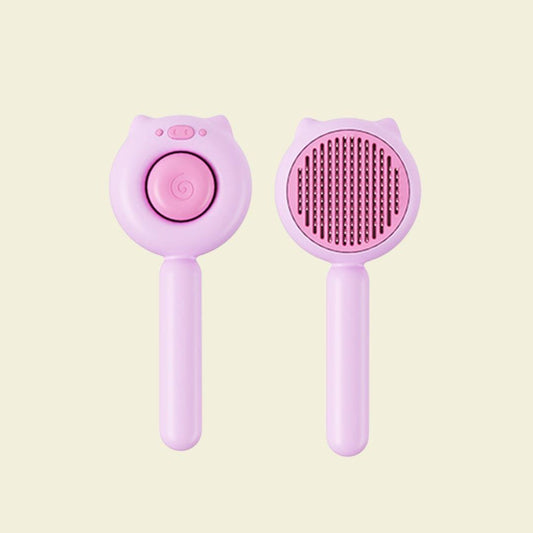
Most of the time, when your dog sighs, the explanation is the simplest and sweetest one: they are deeply, completely comfortable. You'll typically hear this sigh right after your dog has settled into their favorite spot, finished a meal, or curled up against you on the couch. It often comes with half-lidded eyes, loose lips, and a fully relaxed body. Behaviorists studying canine emotion describe this as a "settling sigh," the canine equivalent of a person sinking into a warm bath. If you've ever felt the soft thump of a dog body collapsing against yours followed by that gentle exhale, you've heard one of the highest compliments a dog can pay you. This kind of contented sigh also shows up during gentle grooming, when rhythmic brushing puts dogs into a near-meditative state. Our Luxury Dog and Cat Brush is designed for these quiet moments, with soft pins that detangle and deshed without tugging, so a short brushing session doubles as bonding time.
Sighs of Mild Disappointment or Resignation
The second most common dog sigh is what trainers sometimes call the "settle sigh of resignation." You'll hear it most often when your dog has been asking for something, like a walk, a treat, or a game of fetch, and finally accepts that it isn't happening right now. Your dog may stare at you intently, paw at your leg, or sit by the door, then eventually flop down with a long exhale that practically shouts, "Fine." This isn't a sign of distress. It's a healthy emotional adjustment. Your dog wanted one thing, didn't get it, and has chosen to move on. Many dogs follow this kind of sigh by drifting off to sleep within minutes, which tells you the disappointment didn't run very deep.
Sighs During Sleep and Dreaming
Dogs sigh frequently during sleep, especially during the deepest stages of slow-wave rest. You may also notice sighs mixed in with leg twitches, soft barks, or rapid eye movement, all of which suggest your dog is dreaming. These sleep sighs are entirely normal and often look like little waves of tension washing out of the body. If anything, frequent dream-sighs are a sign that your dog feels safe enough in their environment to drop into deep, restorative sleep, which is a real compliment to the home you've built around them.

When a Dog Sigh Might Signal Something More
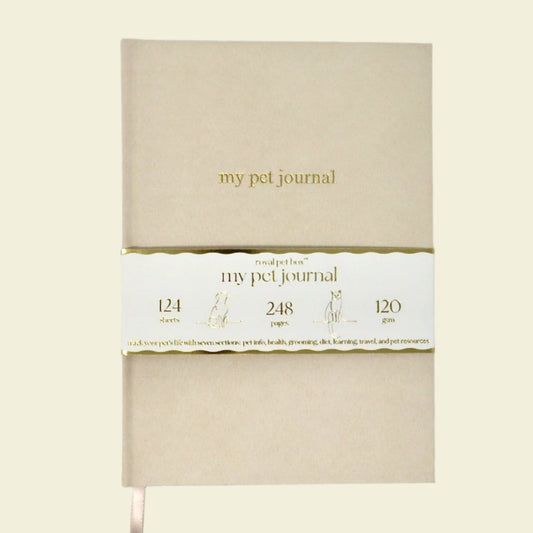
Most sighs are happy, but every so often a sigh is one small signal worth tracking. Sighs paired with pacing, restlessness, a tucked tail, panting at rest, reluctance to move, or a sudden change in posture can point to discomfort, anxiety, or pain. Keeping a quiet log of unusual behavior is one of the best habits a pet owner can build, and our My Pet Journal gives you a dedicated space to record patterns alongside meals, vet visits, sleep, and daily routines. Over a few weeks, a journal often reveals what any single moment never could.
Every dog is a little different. If you notice frequent heavy sighing paired with restlessness, panting at rest, reluctance to move, changes in appetite, or new stiffness, please loop in your veterinarian. These small clusters of changes can be early signs of pain or other conditions that respond best to early hands-on care.
How to Respond When Your Dog Sighs
The most loving response to a happy sigh is, often, no response at all. Resist the urge to disturb the moment with a pat or a coo. Your dog is telling you the current arrangement is perfect, and your stillness is part of why. For a sigh of mild disappointment, a gentle word and a small redirect, like a chew toy or a quiet cuddle, can ease the transition. For sighs that feel different, heavier, more frequent, or paired with other signals, slow down, take note, and trust your instincts. You know your dog better than anyone.
A sigh is one of the simplest sounds a dog makes, but it carries an entire emotional landscape inside it. Listen for the context, watch the body around it, and you'll start to hear your dog's quiet, eloquent commentary on a life well lived beside you.
Check out our luxury pet products at reasonable prices. Visit our "Royal Pet Box Pet TV" Channel on both Roku and YouTube for fabulous pet-related education and entertainment.
Paris Deesing holds a degree in Biological Anthropology from UCLA and provides the editorial review behind each article, drawing on a long-held curiosity about the animals who share our lives.
This article was created using artificial intelligence with human editorial review and oversight.