Why Does My Guinea Pig Popcorn? The Joyful Truth Behind This Adorable Hop
Paris DeesingIf you've ever watched your guinea pig suddenly leap straight into the air, twist mid-jump, and dash off in a different direction, you've witnessed one of the most charming behaviors in the small-pet world: popcorning. The name fits perfectly — your cavy looks like a tiny piece of corn jumping in a hot pan. But what's actually going on inside those round little bodies, and what is your guinea pig trying to say?

What Is Guinea Pig Popcorning?
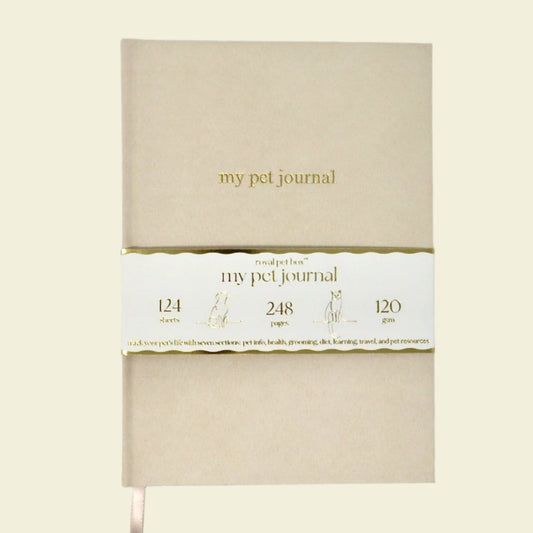
Popcorning is a sudden, vertical hop that often includes a quick body twist, head shake, or sideways dash. Some guinea pigs add a little squeak. The motion can be so quick and unexpected that first-time owners wonder if their pet is having some sort of fit. The good news: in almost every case, popcorning is the exact opposite of distress. It's one of the clearest body-language signals that your guinea pig is happy and feels safe. Keeping a log of these joyful moments alongside meals and vet visits is one of the best habits you can build — our My Pet Journal gives you a dedicated 248-page space to track everything from first popcorn jumps to weight checkups in one place.
Younger guinea pigs popcorn the most. Pups (baby guinea pigs) often look like little wind-up toys, springing in every direction during play. Adults still popcorn — just with a bit more dignity, and usually only at peak-good moments like fresh greens being delivered or a freshly cleaned cage lined with new bedding.
Why Do Guinea Pigs Popcorn? The Science of Joy
From a behavioral standpoint, popcorning is a burst of pure positive energy. Guinea pigs evolved as prey animals on the grasslands of South America, and quick, unpredictable jumping was a useful evasion tactic in the wild. In a safe home environment, that same neurological wiring fires off when your cavy feels especially good — fresh food, free-roam time, a familiar voice, a warm sunny spot. The body still wants to leap. There's just no predator to leap away from.
Some behaviorists also suggest popcorning may serve as a form of social communication, signaling other guinea pigs that the moment is good and the area is safe. In a bonded pair or trio, you'll often see one cavy popcorn and the others join in, much like a yawn passing around a room of humans.
When Popcorning Happens Most
Watch for popcorning during your guinea pig's most rewarding moments: the rustle of a salad bag, the moment you walk through the door, the first few minutes of floor time, or right after you've cleaned and refreshed their enclosure. These are all peak-joy triggers. Mealtime is the runaway favorite — the smell of fresh romaine, parsley, or bell pepper is enough to send most cavies hopping in zigzag patterns.
You may also notice popcorning early in the morning and again at twilight. Guinea pigs are crepuscular, meaning they're most active at dawn and dusk. Those are prime windows for play, exploration, and yes — joyful little jumps.
When Popcorning Might Mean Something Else
Popcorning is overwhelmingly a sign of happiness, but a small percentage of jumpy behavior can look similar while pointing to a different cause. A guinea pig with sudden repetitive head-jerks, loss of balance, persistent twitching, or hunched posture may be dealing with a neurological issue, mites, an inner-ear infection, or pain — none of which look quite the same as a true popcorn jump, but the difference can be subtle to a new owner.
Every guinea pig is a little different — if a jump looks more like a spasm, includes loss of coordination, or is paired with scratching, weight loss, or changes in appetite, please loop in an exotic-pet veterinarian who can examine your cavy in person.
How to Encourage Healthy Popcorning
The best way to bring out popcorning is to create a low-stress, enrichment-rich life for your guinea pig. That means a roomy cage (a single guinea pig needs at least 7.5 square feet of floor space; pairs need more), a steady supply of high-quality timothy hay, daily fresh greens, hiding spots like tunnels or pigloos, and regular floor time in a safe, draft-free area. Companionship matters enormously, too — guinea pigs are social herd animals, and a bonded buddy almost always raises overall mood.
Avoid sudden loud noises, rough handling, or unfamiliar smells in their space. The more secure your cavy feels, the more those happy hops will spring up.
Popcorning is one of the small but unmistakable rewards of guinea pig ownership — a tiny acrobatic show that means your pet is thriving. Once you learn to recognize it, you'll notice it everywhere: at breakfast, during cuddle sessions, in the middle of the night when they think no one is watching. Each jump is a little thank-you note, written in fur and four feet.
Check out our luxury pet products at reasonable prices. Visit our "Royal Pet Box Pet TV" Channel on both Roku and YouTube for fabulous pet-related education and entertainment.
Paris Deesing holds a degree in Biological Anthropology from UCLA and provides the editorial review behind each article, drawing on a long-held curiosity about the animals who share our lives.
This article was created using artificial intelligence with human editorial review and oversight.