Why Does My Hedgehog Self-Anoint? The Bizarre Science Behind This Strange Ritual
Paris DeesingFew pet behaviors are stranger to watch than a hedgehog suddenly contorting itself, lathering its own quills in frothy saliva over a smell it just discovered on a sock, a sliver of soap, or the back of your hand. New owners often panic the first time they see it. The good news: this bizarre little ritual — called self-anointing — is one of the most normal, instinctive things a healthy hedgehog can do. Here is what is really happening when your hedgie performs this strange ceremony, and why so many scientists are still trying to figure out exactly why.
What Hedgehog Self-Anointing Actually Looks Like
If you have never seen it before, self-anointing can look genuinely alarming. Your hedgehog will encounter a new smell, taste, or texture — often something unfamiliar — and suddenly stop, lick or chew at the source, and begin producing thick, frothy saliva. They then contort their body in surprisingly flexible ways, reaching their tongue back to spread the foam across their own quills and spines.
The whole performance can last anywhere from a few seconds to several minutes, and it often happens with a focused, almost trance-like intensity. Many owners describe it as their hedgehog going into a yoga pose while foaming at the mouth. It is not seizure-like, it is not painful, and your hedgie will simply return to normal once finished.
The Leading Theories Behind This Strange Hedgehog Ritual
Despite being one of the most well-documented hedgehog behaviors, self-anointing does not have a single confirmed explanation. Researchers have proposed several theories, and the truth may involve more than one of them working together.
Scent camouflage. The most popular hypothesis suggests hedgehogs cover themselves in novel scents to mask their own smell from predators. By smelling like a leather glove, a strange plant, or a slug, a hedgehog becomes harder to detect through scent alone.
Chemical defense. Some studies have shown that certain substances hedgehogs lick — toxic plants and amphibian skin secretions in particular — can leave irritating or mildly toxic compounds on their spines. A predator that gets a mouthful of foam-coated quills may well think twice next time.
Sensory processing. A third theory borrows from cats and big cats, which use specialized organs to taste smells. Self-anointing may simply be how hedgehogs investigate and store information about something brand new in their environment, the same way a cat doing a flehmen response is learning a scent.
What Triggers a Hedgehog to Self-Anoint?
Almost any novel sensory input can set it off. The most common triggers tend to be strong or unfamiliar smells like perfume, soap, sunscreen, leather, or certain woods. New foods and treats, even ones the hedgehog ends up loving, will often spark it. So will unfamiliar people or other animals — your hand after handling another pet, a visitor's clothing, the inside of a new carrier. Specific textures matter too: rough fabric, an unfamiliar bedding material, or even a smooth piece of plastic can be enough.
Some hedgehogs anoint constantly; others rarely do. Personality plays a real role — younger hedgehogs and naturally curious individuals tend to do it far more often than older or shyer ones.
Is Self-Anointing Safe to Allow?
In almost all cases, yes — self-anointing is a normal, instinctive behavior, and stopping a hedgehog mid-ritual would only stress them out. That said, a few common-sense guardrails matter. Keep genuinely dangerous items well away from your hedgie's nose: essential oils, scented candles, cleaning products, raw onion or garlic, fragrant dryer sheets, and small objects that could pose a choking hazard. If your hedgehog tries to chew or anoint with something potentially toxic, gently redirect them to something safer.
If your hedgehog ingests something you are not sure about — an essential oil, a houseplant clipping, a medication residue — call an exotic-pet veterinarian right away rather than waiting to see how they react. Hedgehogs are small, and even modest exposures can matter.

How to Support Your Hedgehog's Anointing
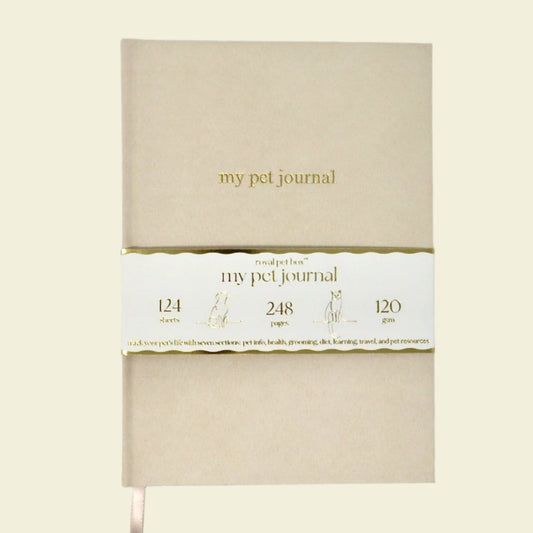
Far from being a problem to fix, self-anointing is a window into your hedgehog's sensory world. Keeping a log of your pet's diet, behavior, and unusual responses is one of the best habits any exotic-pet owner can build — our My Pet Journal gives you a dedicated space to track meals, vet visits, and behavioral notes like which smells set off an anointing session, all in one place.
You can offer your hedgehog small, safe novelties — a clean leaf, a piece of untreated wood, a worn-but-laundered shirt — and simply watch what happens. Do not interrupt the ritual once it starts; let your hedgie finish naturally. And if your hedgehog suddenly stops anointing after years of doing it routinely, that is worth noting too. Any abrupt change in habits can be an early sign that something else is going on.
The Takeaway
Hedgehog self-anointing is one of those wonderful reminders that our pets carry deep, ancient instincts most of us never get to witness up close. It looks weird because it is weird — and it is also completely, beautifully normal. The more you watch and learn from your hedgehog's anointing habits, the closer you get to seeing the world the way they do: through a nose that is working overtime to make sense of everything around them.
Check out our luxury pet products at reasonable prices. Visit our "Royal Pet Box Pet TV" Channel on both Roku and YouTube for fabulous pet-related education and entertainment.
Paris Deesing holds a degree in Biological Anthropology from UCLA and provides the editorial review behind each article, drawing on a long-held curiosity about the animals who share our lives.
This article was created using artificial intelligence with human editorial review and oversight.