Winter Care for Pet Birds: Drafts, Dry Air, and Shorter Days Explained
Paris DeesingWhen the heat kicks on and the days get shorter, your home changes in ways you barely notice — but your pet bird does. Parrots, cockatiels, budgies, and other companion birds are surprisingly hardy, yet winter brings a specific set of challenges: cold drafts, bone-dry air, fumes from heaters and holiday cooking, and long, dark evenings. A few small adjustments can keep them comfortable all season.

Winter Bird Care Starts With Cage Placement
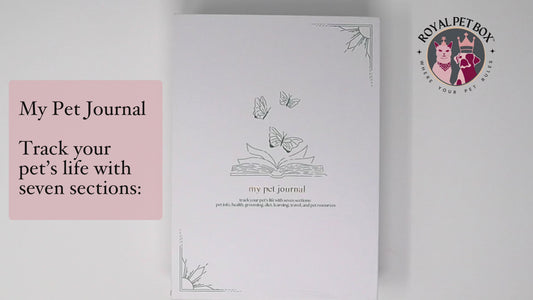
Seasonal changes are easier to manage when you can see patterns — our My Pet Journal is a handy place to note room temperatures, appetite, droppings, and mood so you can spot what's normal for your bird as the weather turns.
Most healthy, acclimated companion birds do well in the same temperature range people find comfortable indoors. The bigger danger isn't steady coolness — it's drafts and sudden temperature swings. Take a fresh look at where the cage sits:
- Away from windows and exterior doors. Glass radiates cold, and every time a door opens, a gust of winter air rushes in.
- Away from heat vents and radiators. Blasting warm air dries out skin and feathers and creates hot-cold cycles as the furnace turns on and off.
- Against an interior wall in a room where the family spends time, so your bird stays social without sitting in the line of fire.
A simple test: hold a tissue or ribbon near the cage. If it flutters, your bird is in a draft.
Signs Your Pet Bird Is Too Cold
Birds fluff their feathers to trap warm air, so a little fluffing at nap time is perfectly normal. Watch for cold-stress cues that linger, though: staying puffed up for long stretches, tucking the head into the back feathers during the day, shivering, sitting low on the perch with both feet hidden in belly feathers, or becoming unusually quiet.
The tricky part is that these same behaviors are classic signs of illness — sick birds fluff up to conserve energy. If warming the room doesn't perk your bird up within a few hours, or you also see changes in droppings, appetite, or breathing, don't assume it's just the weather.
A bird that stays fluffed and sleepy even in a warm room is often telling you something more than "I'm chilly" — an avian veterinarian can check for an underlying illness before it has a chance to progress.
Safe Ways to Keep Your Bird Warm in Winter
If your home runs cool, there are gentle ways to add warmth without overdoing it:
- Partial cage covers at night. A breathable cover over the back and sides blocks drafts while still allowing airflow. Leave the front partly open.
- Bird-specific heat sources. Heated perches and cage-mounted panel warmers made for birds can help, but always position them so your bird can move away from the heat whenever it wants.
- Be careful with space heaters. Some heaters and many household appliances use non-stick (PTFE) coatings that can release fumes toxic to birds when heated. Choose models confirmed to be free of these coatings, keep them well away from the cage, and never leave one running unattended.
Winter also means more indoor cooking and cozy ambiance. Non-stick pans, self-cleaning oven cycles, scented candles, plug-in air fresheners, and fireplace smoke can all irritate a bird's extremely sensitive respiratory system. Keep your bird far from the kitchen, ventilate well, and skip the oven's self-clean cycle while your bird is home.
Fighting Dry Winter Air for Healthy Feathers and Skin
Forced-air heating can drop indoor humidity dramatically, which leaves many birds with itchy skin, dull feathers, and more dander. Species from humid tropical regions, like African greys, Amazons, and eclectus parrots, tend to feel it most. Helpful habits include:
- Running a cool-mist humidifier in the bird's room, cleaned often so mold and bacteria don't build up.
- Offering regular baths or misting with lukewarm water earlier in the day, so feathers dry fully before evening.
- Keeping fresh water available at all times and changing it daily.
If your bird starts picking or overgrooming more than usual this time of year, dry air may be one piece of the puzzle — but feather-destructive behavior has many possible causes, so it's worth an avian vet visit to sort out the rest.
Shorter Days, Light, and Your Bird's Winter Routine
Birds take many of their cues from daylight. As days shorten, a consistent routine matters more than ever. Aim to keep a steady sleep schedule — most companion birds do best with roughly 10 to 12 hours of quiet, dark rest — and avoid late-night TV and bright lamps that stretch your bird's "day" well past sunset.
During waking hours, natural light from a bright room (not a cold windowsill) helps your bird stay active and engaged. Many avian vets also recommend full-spectrum bird lighting designed for indoor parrots, especially in dim winter months. Fresh foraging toys and extra one-on-one time help fight cabin-fever boredom.
Bringing It All Together
Winter bird care comes down to a few core ideas: keep the cage out of drafts, add warmth gently, protect those delicate lungs from fumes, put moisture back in the air, and hold a steady light-and-sleep rhythm. Most of all, keep watching your bird — subtle shifts in posture, appetite, and energy are your best early-warning system during the cold months.
Check out our luxury pet products at reasonable prices. Visit our "Royal Pet Box Pet TV" Channel on both Roku and YouTube for fabulous pet-related education and entertainment.
Paris Deesing holds a degree in Biological Anthropology from UCLA and provides the editorial review behind each article, drawing on a long-held curiosity about the animals who share our lives.
This article was created using artificial intelligence with human editorial review and oversight.